CHILDREN’S MENTAL HEALTH AWARENESS
February 16, 2026
This is My Place
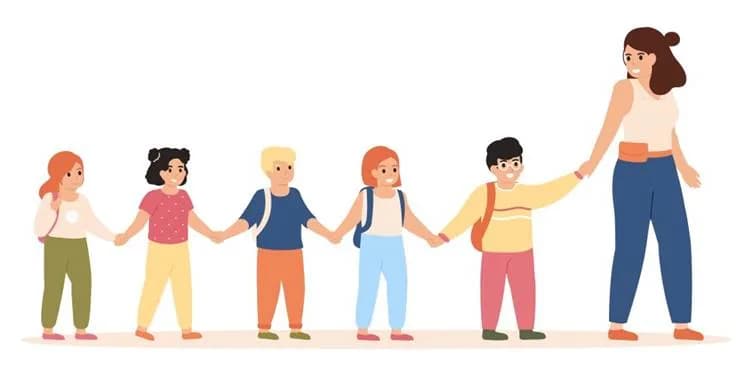
Children’s Mental Health Awareness week: the focus is on the importance of belonging: helping children and young people feel safe, valued and supported in their everyday environments.
The aim of the week is to encourage a sense of belonging – in friendships, in school, and in our communities. When we feel that we belong, it helps us feel connected to one another and also empowers us to go out into the world and create positive change.
We can cultivate a sense of belonging in children by doing the following:
Build Strong, Secure Relationships
Be emotionally available, Validate feelings and Repair quickly after conflict
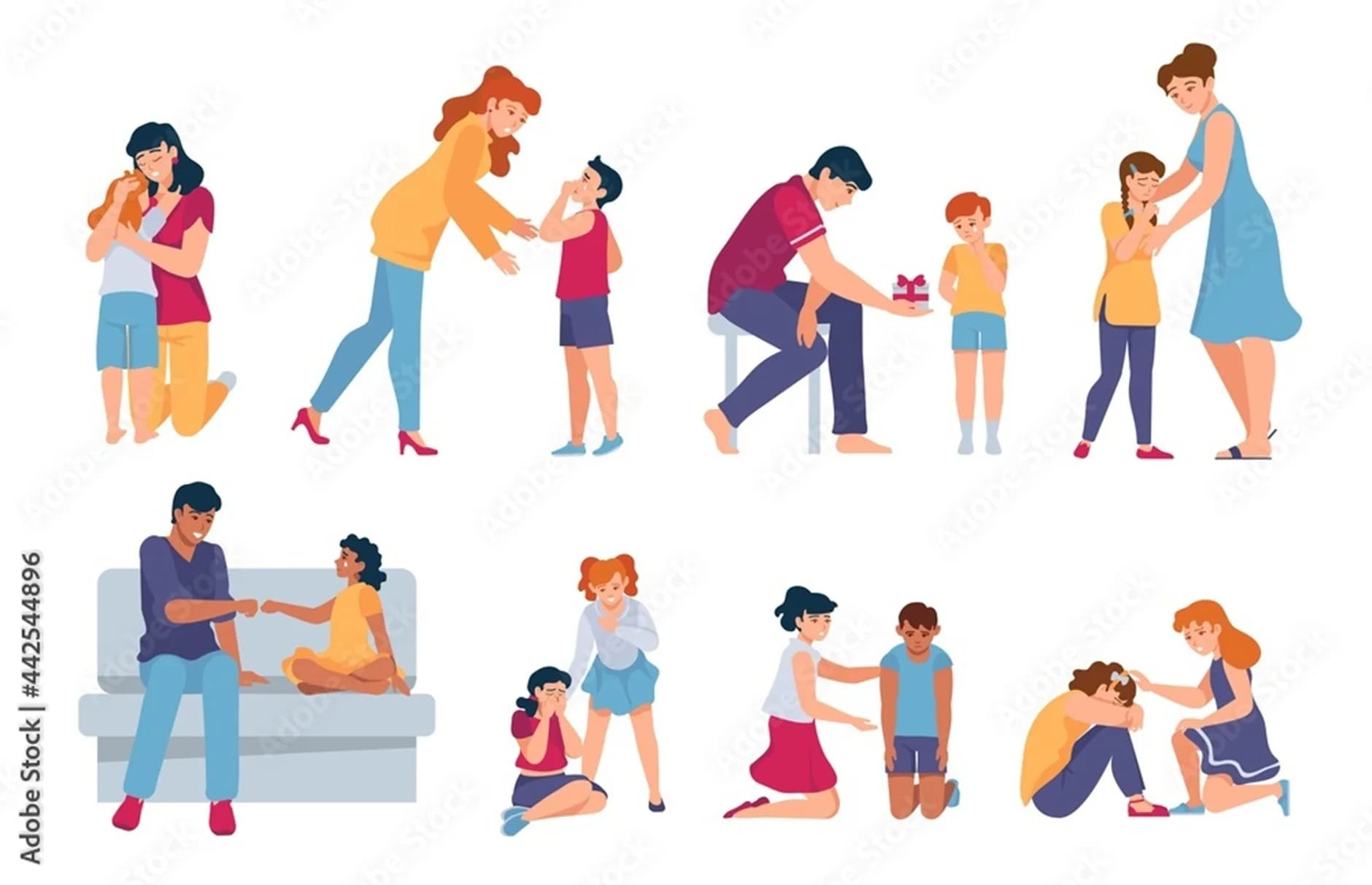
Communicate Unconditional Acceptance
Children need to know: “You are loved and valued- not because of what you do, but because of who you are.”
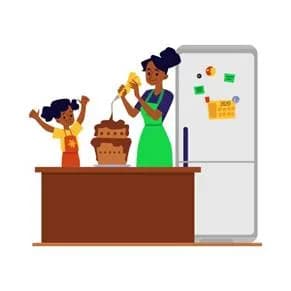
Create Family Identity and Traditions
Develop small traditions (Friday movie night, Sunday pancakes), share family stories (“When you were little…”), and use inclusive language: “In our family, we help each other.” Children feel rooted when they feel part of something bigger.
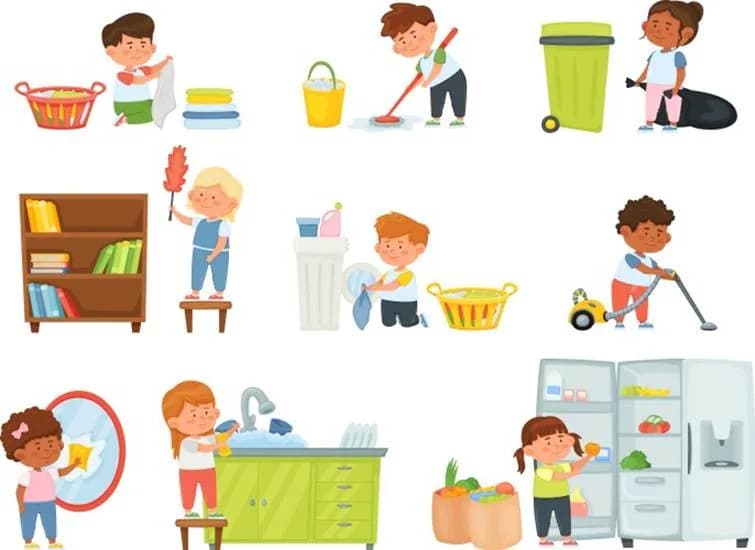
Encourage Contribution
Belonging deepens when children feel needed. Give age-appropriate responsibilities, let them help solve problems, ask for their opinions and ideas.
Foster Inclusion beyond the Home
Help children build belonging in school and community: Encourage involvement in clubs, sports, arts, or service, teach empathy and inclusive behaviour, talk openly about differences (culture, abilities, and personalities), model how to welcome others.
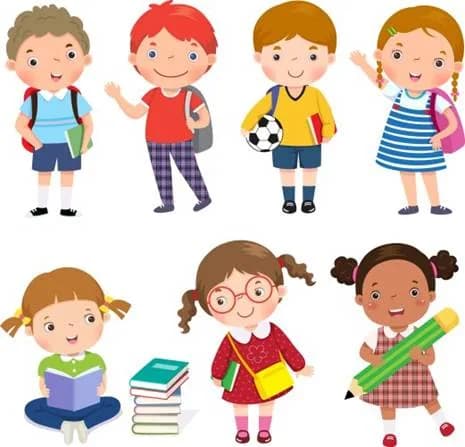
Celebrate Individual Strengths
Belonging doesn’t require sameness. Notice effort and growth, not just outcomes, highlight unique qualities: “You really notice when others feel left out”, avoid comparison between siblings or peers. Children should feel both connected and distinct.
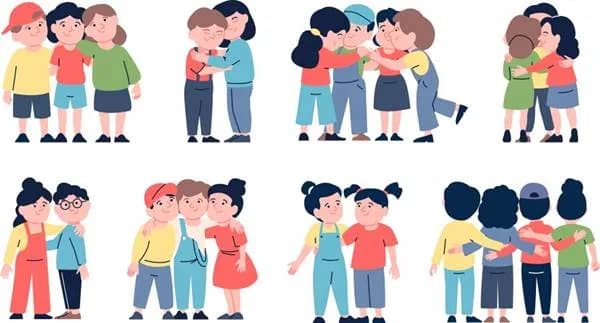
Normalize Mistakes and Struggles
If children feel they must be perfect to belong, they’ll hide parts of themselves. Share your own mistakes, say, “Everyone messes up sometimes”, emphasize learning over performance. Psychological safety strengthens belonging.
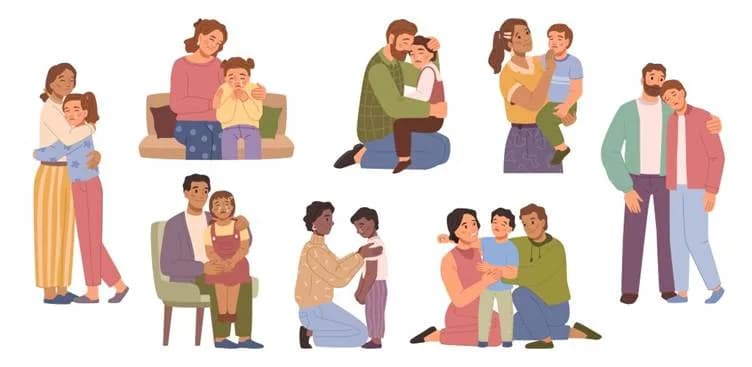
Model Belonging in Your Own Life
Remember: Children do as you do, they do not do what you say. Children watch how adults maintain friendships, handle conflict, speak about others and include or exclude others. When they see healthy belonging modelled, they internalize it.