
Warning Signs That You May Have Depression
We all have those days… You know which ones I’m talking about! Those days where everything just seems like too much effort. We or others may describe us as being moody or overly emotional. You see, the thing which you have to remember about emotions is that they are indicators as to what is happening in our lives and how these happenings may affect our livelihood, health, and relationships with ourselves and others.
Although it may seem like a cliché, our emotions are very much like a roller-coaster and are, to a certain extent, dependent on our environment. A simple example of this is a normal morning: let’s say this morning your alarm clock did not go off and because of that, you are now running a few minutes late. How has this event affected your emotions? You will most probably feel angry that you overslept and may be a bit anxious, knowing that you will be late for work and what consequences may follow. You may feel rushed and overwhelmed, trying to get everything done.
Now let’s say, as you rush to the kitchen to get the kids ready for school, you find that they already got dressed and packed their lunches themselves and are waiting at the car, ready to go. This event will most probably relieve some of those negative emotions and make you feel better. Throughout your day, this may happen – positive and negative events affecting your emotions accordingly. In some cases, due to a stressful event or the loss of a loved one, these “off days” may extend over a longer period of time, but is this depression?
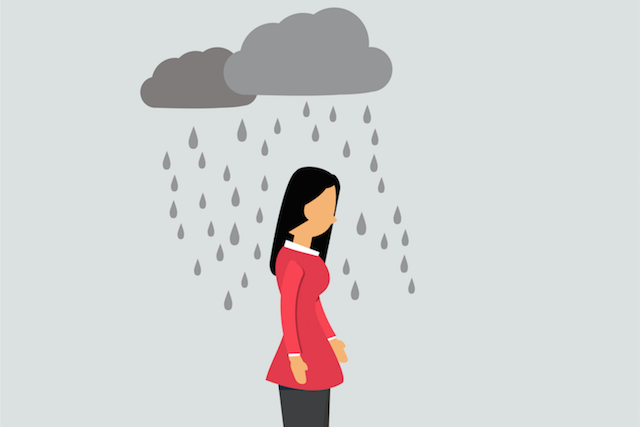
No, not necessarily. These emotions may purely be an indication that you have to take life at a slower pace or that you need some rest. The most important thing to note here is that we must be able to listen to what our emotions are saying we should address. However, when it comes to depression, this system is not working as it should and our emotions get affected in many different ways.
Depression is a clinical condition which, when left untreated, may lead to many detrimental effects. So let’s look at some of the more common symptoms of depression which many people experience, but just attribute to a long day, stressful time or just “one of those days”.
Difficulty concentrating, remembering details, and making decisions: When we are under stress or reaching year end, we all may find that we seem to forget more. Finding your keys in the oven is not that much of a stretch, however when you start finding it more difficult to remember simple things that you have just done or said, or you feel like you are constantly thinking in a cloud, this may be a symptom to pay some attention to.
Fatigue and decreased energy: Nowadays this hardly seems like a symptom, but more a way of life. NO! It is not normal to constantly feel tired and have no energy to do anything. Fatigue may be a symptom of many things, so make sure you get enough Z’s, you heat a healthy balanced diet and you get enough exercise. If these symptoms still persist, please go see a health care professional, because it may be a sign of depression.
Insomnia, early-morning wakefulness, or excessive sleeping: As with the previous, this can be due to many things, such as stress at work, bad sleep hygiene, or too much coffee or sugar before bed. If this is not the case, it may be a sign of depression, especially if the excessive sleeping is used in trying to avoid negative emotions.
Feelings of guilt, worthlessness, helplessness, hopelessness and pessimism: Depression is an illness that affects the limbic system of the brain. This is your body’s emotional centre, so if you suffer from depression, you may feel these feelings quite often and without provocation.
Irritability and restlessness: This is more than just the irritability you feel when your colleague chews like a cow. This is a feeling of being out of control of the situation and not being able to process all the stimuli (sensations) thus leading to irritability.
Loss of interest in activities or hobbies once pleasurable, including sex: Due to our brain being affected, we no longer release the “pleasure” chemical dopamine, which is responsible for reward-driven learning. Therefore, we no longer get any pleasure out of previously enjoyed activities. This in turn just leads to more negative feelings.
Persistent feelings of sadness, anxiousness or “empty” feelings: Although there is a belief out there that depression is constantly feeling sad, it is not completely accurate. You may have depression and not constantly feel sad. That being said, the feeling of overwhelming emptiness is one of the more predominate symptoms of depression.
Persistent aches or pains: These aches or pains may include headaches, cramps, muscle pain, and digestive problems, which do not ease – even with treatment.
Thoughts of suicide and/or suicide attempts: This is definitely one of the more severe symptoms of depression and if you have experienced these thoughts, it is important to consult with a health care professional as soon as possible.
There are many causes for depression, which may include biological, psychological, social and spiritual causes, but there are also many treatment options available for treating depression.
If you experience these symptoms or suspect that you may have depression, please contact your health care professional as soon as possible.
